Winter storms like the one this past weekend can make driving dangerous. It’s often necessary to treat roads with salt to make them safer for drivers and pedestrians.
Road salts, typically sodium chloride or magnesium chloride, are effective at melting ice and preventing dangerous ice sheets from forming. However, excessive use of road salt can cause significant environmental damage to rivers, streams, drinking water reservoirs, freshwater organisms, soil, and vegetation.
Safety comes first, and no one supports leaving roads untreated. But for years, Raritan Headwaters Association has advocated for smarter use of road salt. Our mission is to protect the clean water, land, and wildlife of the upper Raritan River watershed.
This week is Winter Salt Week 2026, a great time to examine current salting practices and identify ways to keep roads and sidewalks ice-free while safeguarding our irreplaceable freshwater. The aim of this awareness week (www.wintersaltweek.org) is to educate the public about the environmental harm caused by road salt and to advocate for lower-salt alternatives, such as brine spraying.
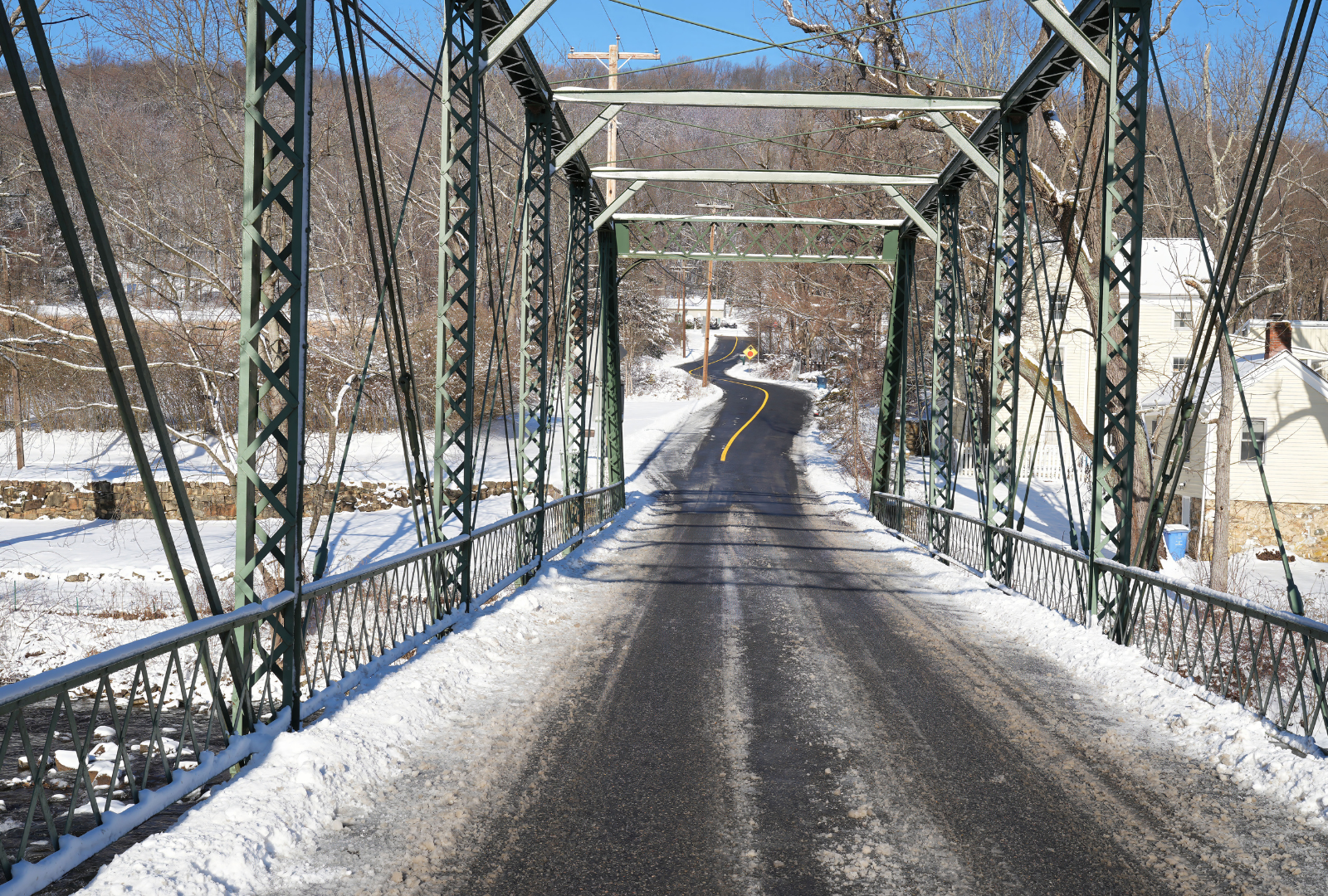
Photo by Sandy Rathborne
Water Pollution and Salinization
One of the most serious impacts of excessive road salt use is the salinization of freshwater. As snow and ice melt, salt from treated roads enters rivers, lakes, and streams, increasing salinity in freshwater ecosystems. Even during spring and summer rainfall, chloride pulses into surface and groundwater sources, worsening harmful effects on aquatic ecosystems and human health.
RHA’s annual Stream Monitoring Program has found that waterways throughout the Raritan River headwaters are becoming saline. Chloride levels in our region typically range from 60 to 100 mg/L (and can reach 200+ mg/L), whereas natural chloride levels in freshwater environments should not exceed 40 mg/L.
Impacts on Freshwater Organisms
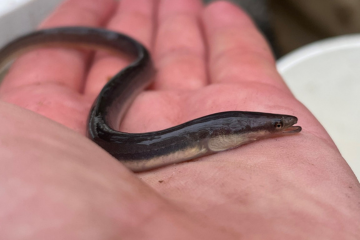
Salinization of water bodies directly affects animal and plant life, especially freshwater species adapted to low salinity. As salt concentrations rise, the reproductive success of many sensitive species declines. Eggs and larvae of fish, amphibians, and invertebrates are particularly vulnerable to salinity changes. Excess salt interferes with embryonic development and reduces hatching success, leading to population declines.
Over time, population declines can cause a significant loss of biodiversity, destabilizing the entire ecosystem. For example, if excessive road salt wipes out species at the base of the food web – such as small invertebrates or amphibians that larger predators rely on – the resulting decline can trigger a ripple effect, reducing populations of mammals and birds.
Soil Degradation and Damage to Vegetation
Road salts affect not only water bodies but also the surrounding land, causing significant soil degradation. When applied excessively to roads in winter, much of the salt ends up in the soil, where it accumulates over time. Increased soil salinity makes it harder for plants to absorb water and nutrients, making the land less hospitable to native plants and reducing farmland productivity.
Properly Salting Roads to Mitigate the Impacts of Salinization
While road salts are essential for winter road safety, there are effective ways to mitigate their environmental impacts. Proper salting practices can significantly reduce the amount of salt that enters water bodies and surrounding ecosystems.
One effective strategy is pre-treatment, in which roads are treated with a brine solution before a snowstorm or ice event. This approach prevents ice from bonding to the road surface, making snow removal easier and reducing the need for excessive salting afterward.
A natural alternative for driveway and sidewalk pre-treatment at home is beet juice—the water left over from boiling beets—or pickle brine. Like typical road salt, these brines lower the freezing point of water but are less harmful to the environment.
Another key strategy is to reduce the amount of salt applied during winter storms and ensure it is applied at the right time. Applying salt at optimal temperatures (20°F to 32°F) improves efficiency and reduces waste. If temperatures are below 15-20°F, salt won’t melt the ice.
Municipalities can also implement salt management plans that prioritize environmentally responsible practices, including monitoring salt use and minimizing runoff into nearby water bodies.
Unfortunately, up to 30% of typical road salt applications are wasted because rock salt blows or bounces off the road during application. Brining reduces waste and saves towns money. Any resident whose town still spreads rock salt should ask the town to consider switching.
Learn More
To learn more about how salt is affecting the environment and specifically the health of water, visit The Isaak Walton League’s Salt Watch program at https://iwla.org/salt-watch/.