Behind the Milestone: Why NJDEP Laboratory Certification Matters
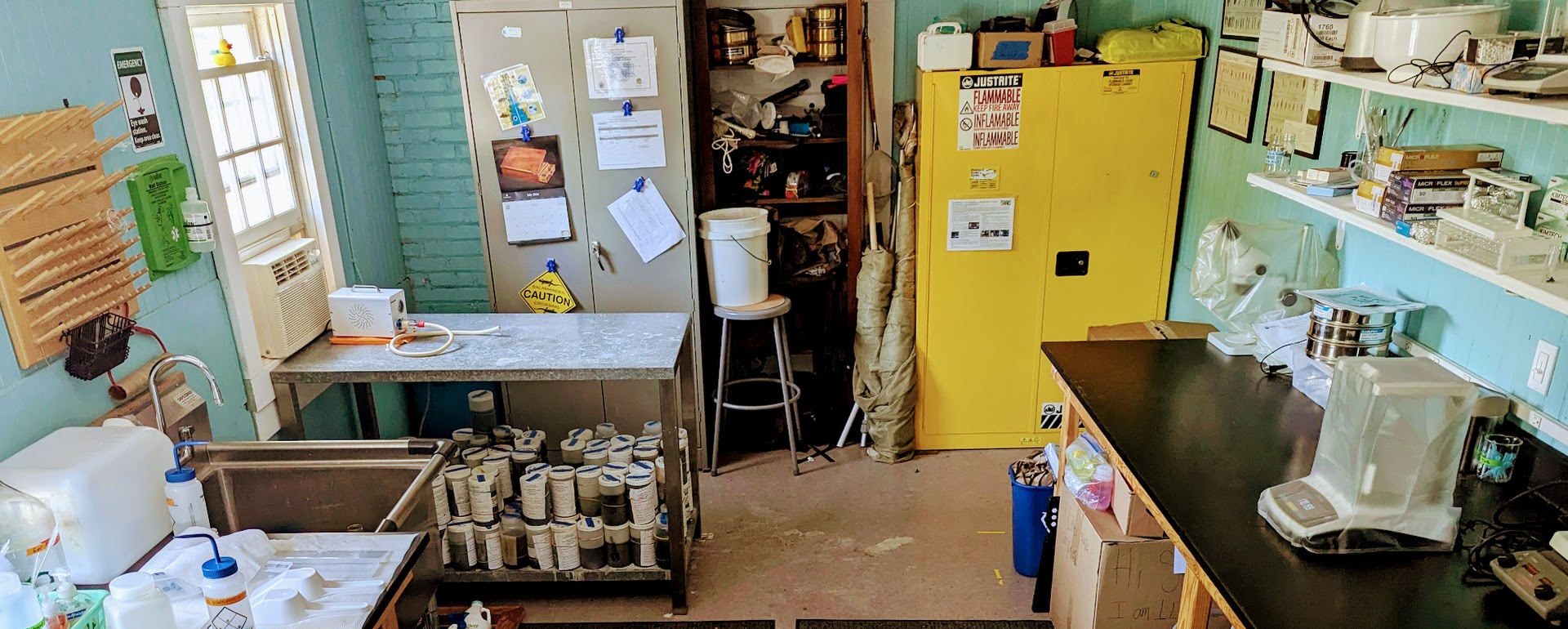
For more than 30 years, Raritan Headwaters Association has been collecting the scientific data needed to protect New Jersey’s source water. This summer, we reached an important milestone in that work: our water quality laboratory at Fairview Farm was officially certified by the New Jersey Department of Environmental Protection (NJDEP).
While certification may sound like a technical accomplishment, its significance is far-reaching. It represents years of investment in equipment, staff training, quality assurance, documentation, and laboratory procedures, all designed to ensure that every result we produce meets the State’s rigorous standards for accuracy and reliability.
Most importantly, it strengthens our ability to protect clean water.
From Monitoring to Regulatory-Quality Science
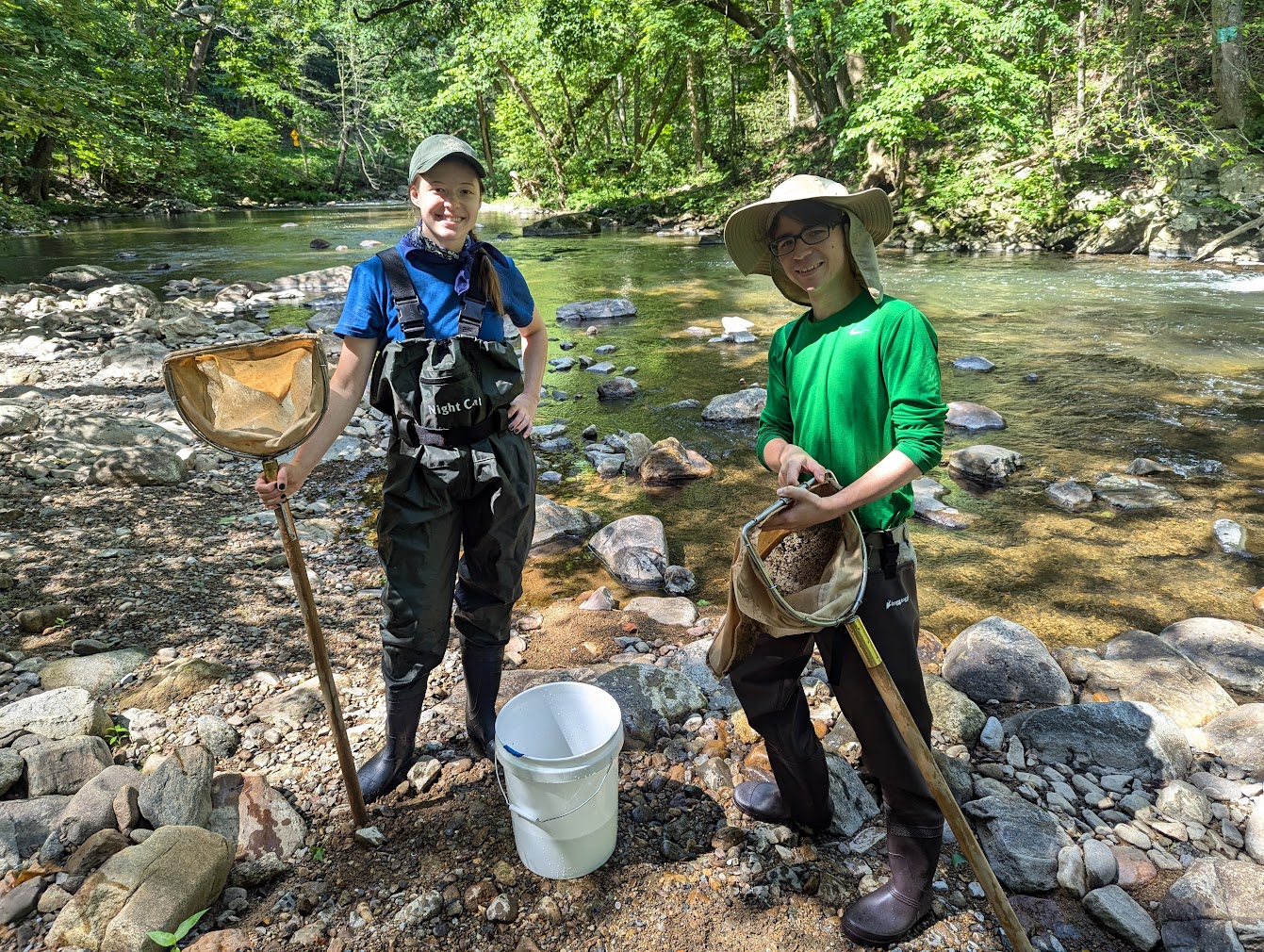
RHA stream monitoring interns, Julia Finken and Utah Adams, near Ken Lockwood Gorge
Since 1992, RHA has monitored streams throughout the Upper Raritan watershed, collecting biological, chemical, and habitat data that help identify emerging threats, measure long-term trends, and guide restoration efforts. Each spring, RHA staff, seasonal interns, and trained citizen scientists visit approximately 85 stream sites across our 470-square-mile watershed, which supplies drinking water to more than 1.8 million New Jersey residents.
For decades, NJDEP has relied on RHA’s biological monitoring data to support water quality assessments and Clean Water Act reporting. Laboratory certification expands that partnership by allowing chemical data generated by our laboratory for certified parameters to be used in regulatory decision-making.
Today, RHA’s laboratory is certified to analyze four key indicators of stream health: pH, temperature, conductivity, and dissolved oxygen. We are also working with NJDEP to expand that capability through certification for chloride analysis, an increasingly important tool for understanding the impacts of road salt on freshwater ecosystems.
Why This Matters
Water quality monitoring is much more than collecting numbers.
Reliable data allow us to identify pollution problems early, document changes over time, evaluate the success of restoration projects, and provide municipalities, state agencies, and watershed partners with the information they need to make sound decisions.
Our monitoring has helped identify impacts from fertilizers, bacteria, road salt, and other pollutants while building one of New Jersey’s longest-running watershed datasets. Those data have contributed to stronger protections for local waterways, including NJDEP’s decision to upgrade more than 200 miles of streams in the Upper Raritan watershed to Category One status, providing the State’s highest level of stream protection.
As pressures on our water resources continue to grow—from development and stormwater runoff to climate change and emerging contaminants—the need for trusted scientific data has never been greater. This certification strengthens RHA’s ability to provide that science.
Looking Ahead
Laboratory certification is not the finish line; it is the foundation for the next chapter of RHA’s monitoring program.
As we continue expanding our scientific capabilities, we look forward to providing even stronger support for watershed management, source water protection, and informed environmental decision-making throughout New Jersey.
This achievement would not have been possible without the dedication of our science staff, interns, volunteers, partners, and supporters who have helped build RHA’s monitoring program over the past 34+ years. We are deeply grateful for their commitment to protecting the streams and rivers that sustain our communities.
Thank you to New Jersey Hills Media Group for covering this milestone. We appreciate the coverage and invite you to read the full article, “Raritan Headwaters Lab Certified by State.”, then explore RHA’s Watershed Report Card to learn more about the science behind our work and the health of the Upper Raritan watershed.