Melick’s Bridge Tree Planting
Sometimes we are fortunate enough to get to see the next chapter of our efforts. While many facets of my time in this stewardship role at Raritan Headwaters have been inspiring to me, I am glad, in particular, that I have been able to follow up on several projects that I had begun during my previous role as NJ Watershed Ambassador, hosted at Raritan Headwaters. One of my favorite projects this summer has been offering continuing support for Raritan Headwater’s Spring and Fall tree plantings.
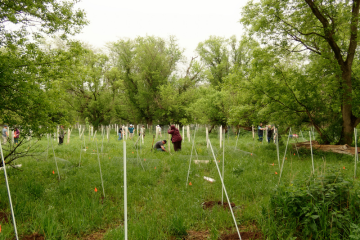
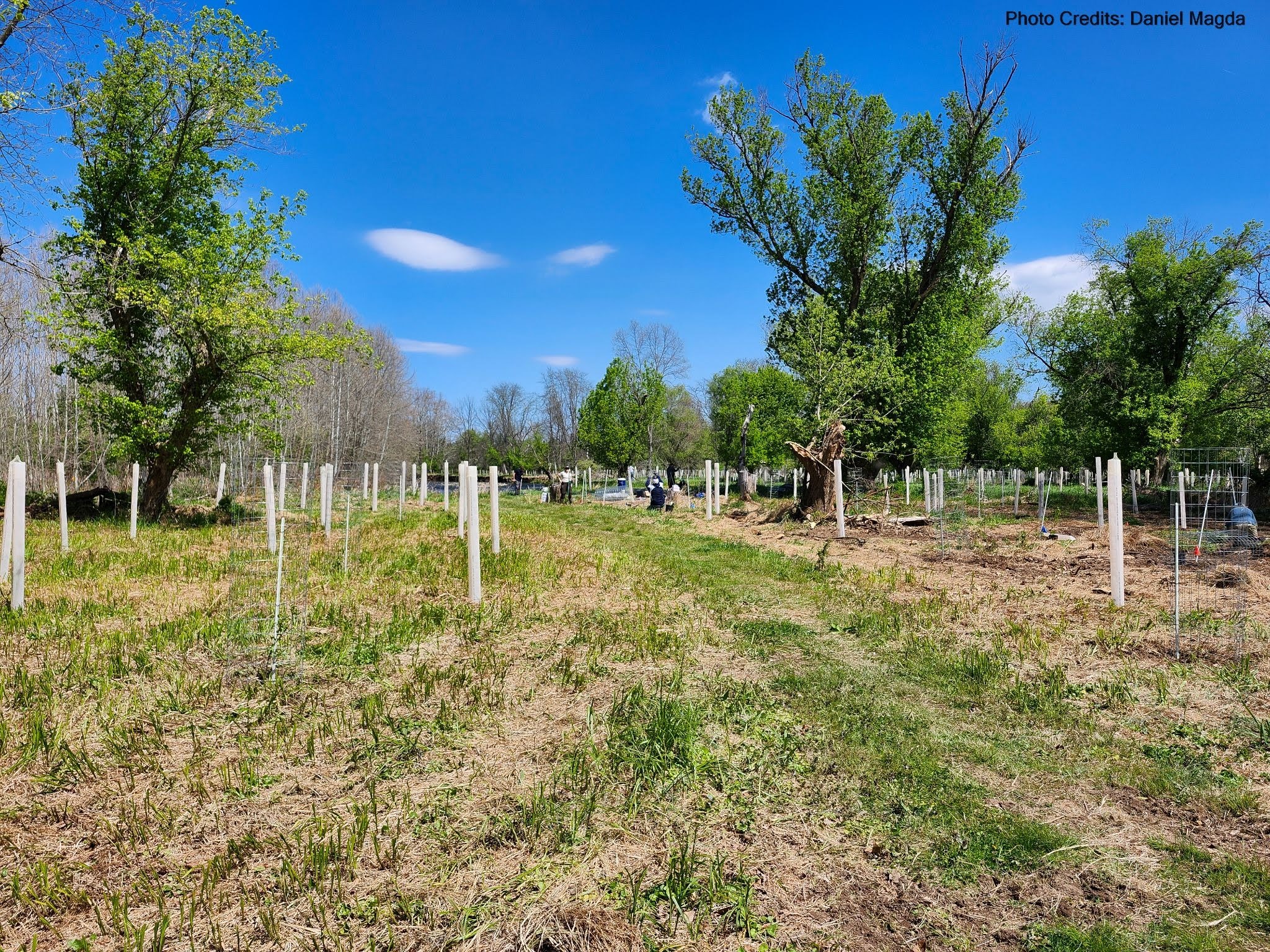
I loved helping with the spring and fall tree plantings, not only because it is great to engage with the communities around these plantings, but also because the plantings themselves are important to stream restoration and watershed health. During my two terms as the NJ Watershed Ambassador, hosted at Raritan Headwaters, I helped plan the Melick’s Bridge riparian zone tree planting where we planted 850 trees over the last two years. It was great to follow up this summer on the planting and track the number of trees that survived. I have also been able to help with other plantings like the one at Mine Brook Park and Bernadette Morales Nature Preserve which border on streams I have assessed in the past.
Over the course of the summer, we carried out maintenance on all of the tree plantings from the past few years to remove dead trees, damaged tree tubes/cages, and take survivorship counts to better plan future plantings and allow for the remaining living trees to grow.
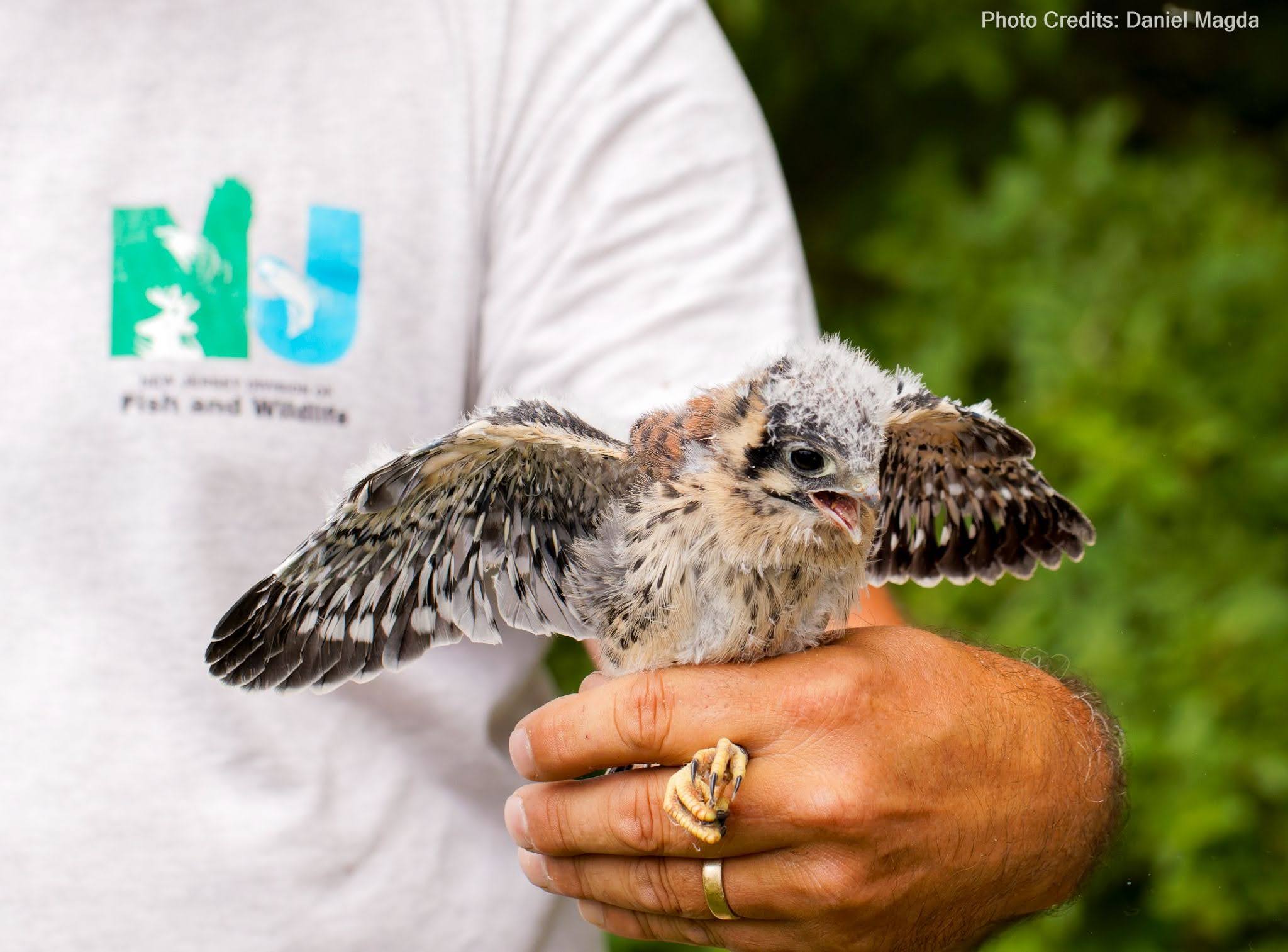
American kestrel chick
Additionally, as a stewardship intern, I have had the opportunity to help with different conservation efforts such as the American Kestrel Program and Freshwater Mussel Surveys. Helping with the American Kestrel Program at Raritan Headwaters has been a highlight of my stewardship position. I have helped with monitoring Kestrels and other raptors in the past, but being able to be more hands on with the birds has been really amazing.
The American Kestrel Program at Raritan Headwaters has been a long running program with the goal of assisting in the conservation of the American Kestrel within the Upper Raritan Watershed through land preservation, habitat construction, nest box installation, and monitoring. As someone who loves birding, helping conserve the habitats and monitor the populations of American Kestrels within the Upper Raritan Watershed has been amazing. For anyone interested in more detailed information about the Raritan Headwaters American Kestrel Program, it can be found here: RHA Kestrel Program
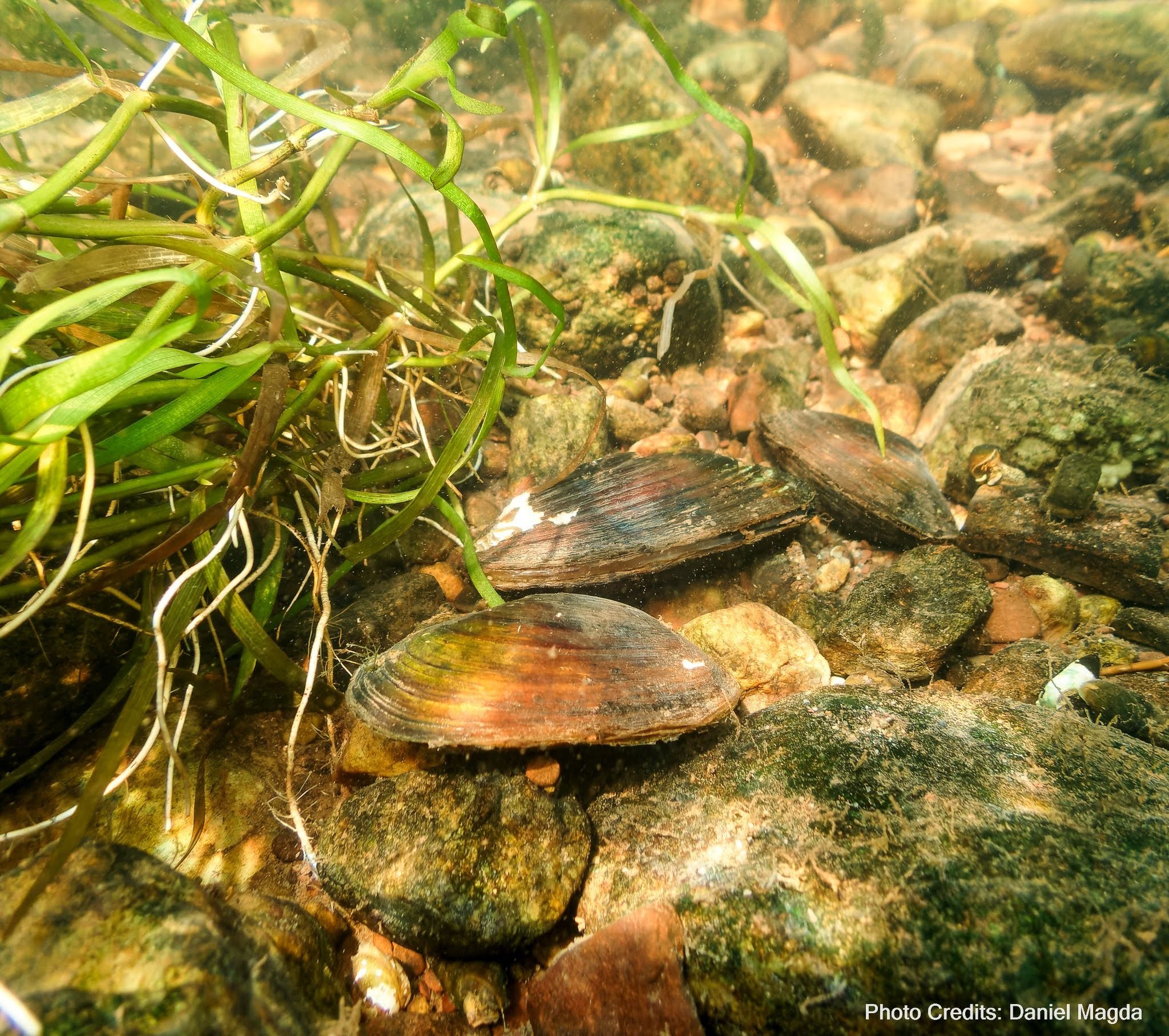
Eastern Elliptio mussels
Similarly, I have been able to help NJ Fish and Wildlife with Freshwater Mussel Surveys to look for and document several species of mussels, primarily protected species of mussels and larger colonies of more common species. These surveys have been one of the highlights so far for me, because I love being able to assist in documenting this often overlooked part of stream life that do so much of their ecosystems.
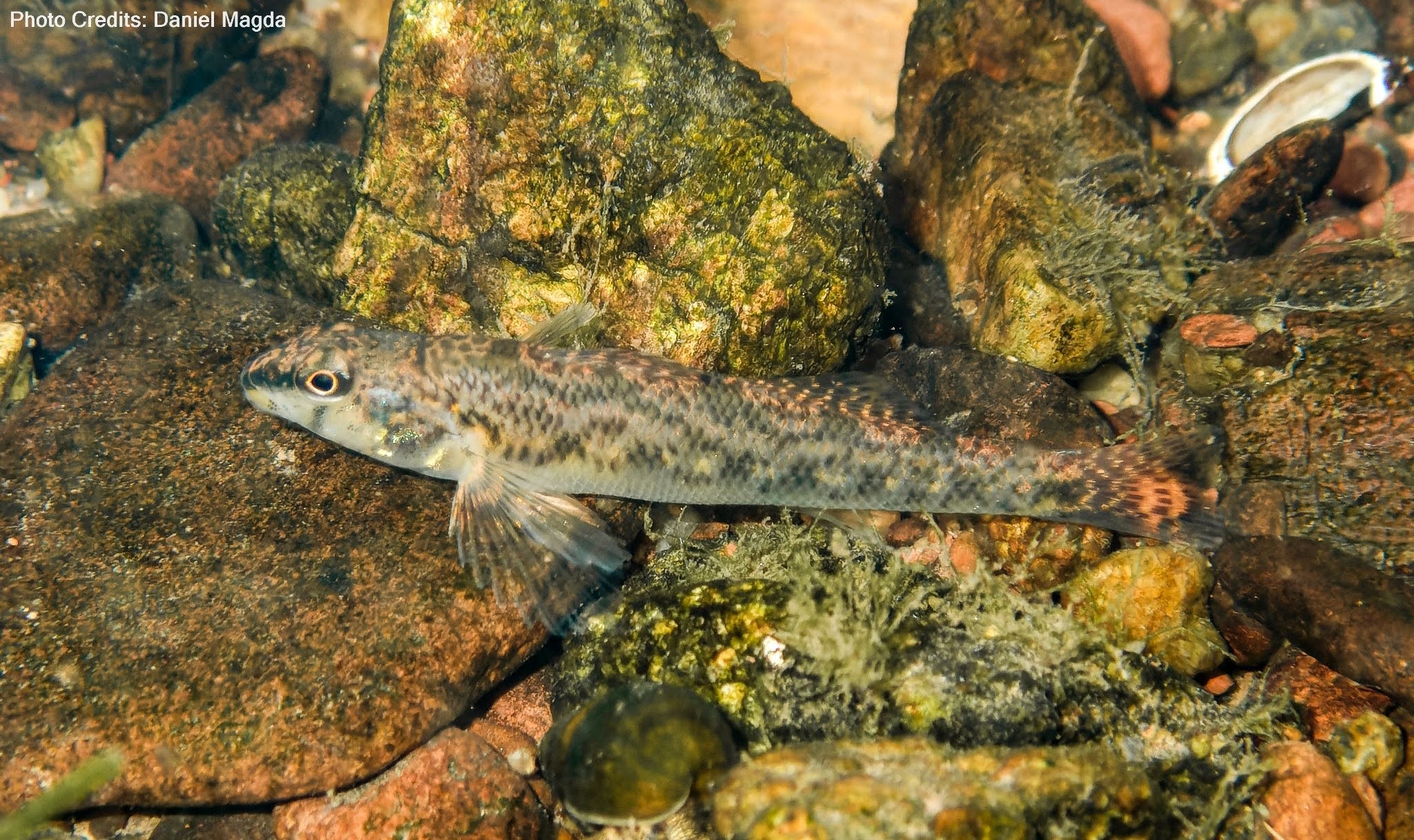
Tessellated Darter
Freshwater Mussels provide many benefits for stream ecosystems such as filtering stream water of sediments and other excess nutrients. Additionally, Freshwater Mussels are great indicators of water health and oftentimes their presence in a stream is an indication of good water quality and a more healthy stream. While doing these surveys, we also had the opportunity to observe other species of stream life such as Tessellated Darters and other species of fish that exist and live around these mussels and are, in some cases, essential to the life cycle of some species of Freshwater Mussels.
Often when we are part of a stewardship project, we don’t necessarily see what comes afterwards. It has been a great experience to be able to catch a glimpse of the impact of a completed project.
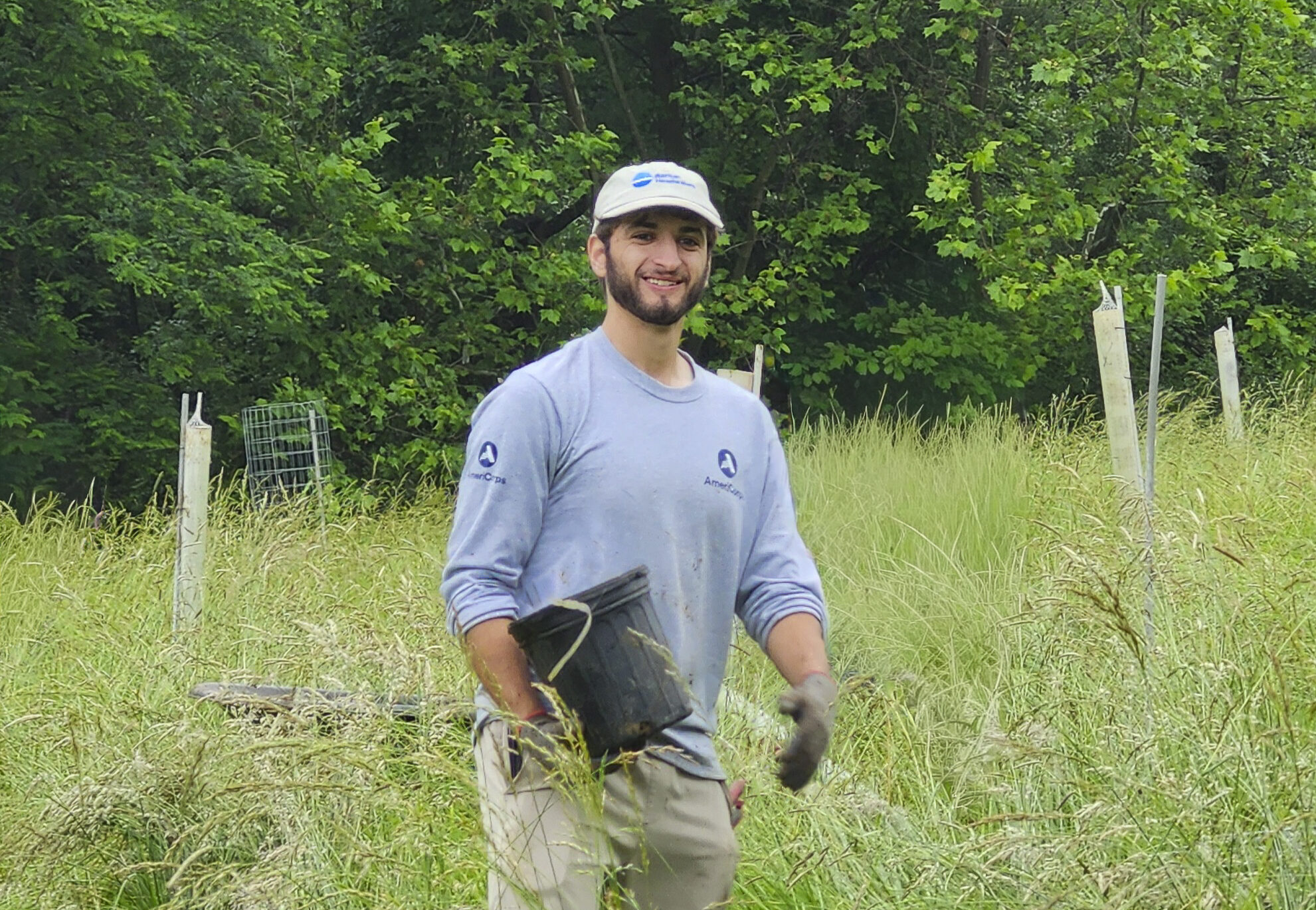 Meet Daniel Magda
Daniel joined RHA in 2024 as the WMA 8 AmeriCorps Watershed Ambassador with the NJ Department of Environmental Protection and began his second term in 2025. He graduated from Drew University with a double major B.S. degree in Biology and Environmental Science. This summer, he returned to RHA as a Stewardship Intern to follow up on many of the projects he worked on during his time with us as an Americorps Ambassador.