Rain may be in the forecast — but don’t let that fool you. New Jersey may not look like a state in drought. We had a lot of snow last winter. Reservoirs replenished after storms. Thunderstorms and heavy rains have swept through the state in recent weeks.
But beneath the surface, New Jersey’s water supply remains under stress. And with summer’s heat, that stress is likely to increase.
Since December, New Jersey has been under a statewide drought warning. Recent indicators show that central New Jersey is experiencing below-normal precipitation, leading to extremely low flows in local streams and a continuous decline in reservoir water levels. In fact, 23 of the last 26 months in New Jersey have been below average for precipitation.
But drought is about more than reservoir levels. It’s also about groundwater: the vast, unseen water supply stored in underground aquifers. Groundwater is essential to a clean, plentiful water supply.
Here in the Upper Raritan River watershed, nearly 80 percent of residents rely on groundwater from private wells for their drinking water.
Our watershed also lies largely within the Highlands region, which supplies drinking water to more than 70 percent of New Jersey residents through streams and aquifers that originate in protected, forested landscapes. Water protected in the Upper Raritan flows downstream to reservoirs and water treatment plants, then to homes and businesses in some of New Jersey’s most populated communities.
In our region’s fractured bedrock aquifers, groundwater can take years or even decades to fully recover from a drought. Even though our region experienced significant snowfall last winter, snow contains far less water than many people realize — as a rule of thumb, 10 inches of snow equals roughly 1 inch of rain — and it wasn’t enough to offset the very dry conditions last fall.
Groundwater quality faces growing threats, too. Across New Jersey, concerns continue to rise around PFAS “forever chemicals,” industrial solvents like TCE and PCE, nitrates from fertilizers and septic systems, and naturally occurring arsenic in bedrock aquifers — contaminants that can persist underground for years or decades because groundwater moves so slowly.
How can we help our groundwater supplies?
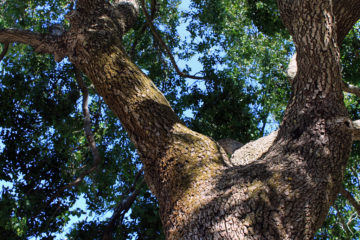
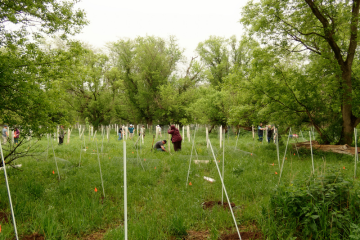
Healthy forests and open lands are among the most effective water infrastructure systems we have. When forests remain intact, rainfall filters slowly through the soil, recharging aquifers and naturally removing pollutants. Conversely, when forests and fields are replaced with pavement
and sprawling development, water runs off quickly instead of soaking into the ground, preventing aquifer recharge and contributing to flooding.
The current drought should remind us that clean, reliable water does not happen by accident. Every drop of drinking water begins somewhere, often as rain that falls on a forest, filters slowly through soil, and travels quietly through underground aquifers before reaching a stream, reservoir, or well.
Protecting those natural systems may be one of the most important investments New Jersey can make to strengthen its future resilience, public health, and water security. Preserving land safeguards clean, safe, abundant water, a priceless resource!
Under the drought warning, residents are strongly urged to conserve water. If conditions do not improve, the next step could be the declaration of a drought emergency, which would carry mandatory water restrictions.
Residents and businesses can ease pressure on our water supplies by reducing unnecessary outdoor watering, installing efficient fixtures and appliances, fixing leaks, using native landscaping that requires less irrigation, and capturing rainwater for gardens and landscaping.
For more than 50 years, Raritan Headwaters Association has helped residents test their private wells across the watershed — work we began soon after passage of the Safe Drinking Water Act, when private well owners were largely left to safeguard their own water quality. Through our well-testing and stream-monitoring programs, we continue to track changes in local water quality and help residents understand the risks facing their drinking water.
For a complete list of water-saving tips, visit the New Jersey Department of Environmental Protection’s water conservation webpage.