Over recent decades, the Raritan Headwaters region has experienced changes in land use, emerging contaminants, and intensifying climate-related issues. Yet RHA’s mission remains steadfast: to protect clean water in our rivers, streams, and homes.
One of the most enduring testaments to this mission is our Summer Stream Monitoring Program. Now in its 35th consecutive year, the program remains a cornerstone of our Science Program and a vital source of data, insight, and community engagement for the entire watershed and beyond.
 Why Macroinvertebrates Matter
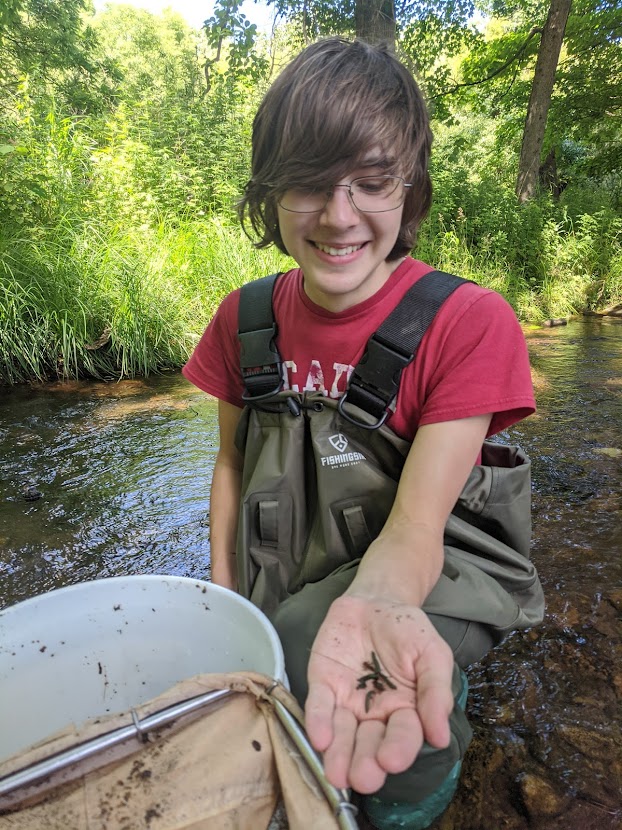
At the heart of our monitoring program are aquatic macroinvertebrates, organisms that live in water, lack an internal skeleton, and are visible to the naked eye. These include snails, fly larvae, mussels, and many others. Though small, these creatures play an outsized role in the health of aquatic ecosystems, serving as predators, prey, and recyclers of organic matter.
Just as importantly, macroinvertebrates are powerful indicators of stream health. Some species are highly sensitive to changes in oxygen levels, pollutants, or habitat degradation, while others are more resilient. By studying the diversity and population trends of these organisms, we gain valuable insights into the overall condition of our streams and rivers.
A Legacy of Science and Stewardship
The first of our now annual macroinvertebrate collections took place in 1992 at select sites along the South Branch Raritan River, conducted through one of our parent organizations, the South Branch Watershed Association (SBWA). These early years were critical to the now robust community monitoring collaborative between the New Jersey Department of Environmental Protection (NJDEP) and nonprofits across the state. We are proud to have been among the first organizations to partner with NJDEP for this important work.
Through the 1990s, the number of monitored sites steadily grew. In 1999, the Upper Raritan Watershed Association (URWA) launched a parallel program in the North Branch Raritan Watershed. When SBWA and URWA later merged to form RHA, these efforts combined, resulting in a more comprehensive and far-reaching monitoring network.
Over the years, the program has expanded beyond biological monitoring. We’ve added physical habitat assessments—evaluating erosion, riparian zone health, and stream flow—alongside water chemistry testing for nutrients, salinity, temperature, oxygen, and more. Together, these data provide a comprehensive picture of watershed health.
A Science Program That Supports Policy and People
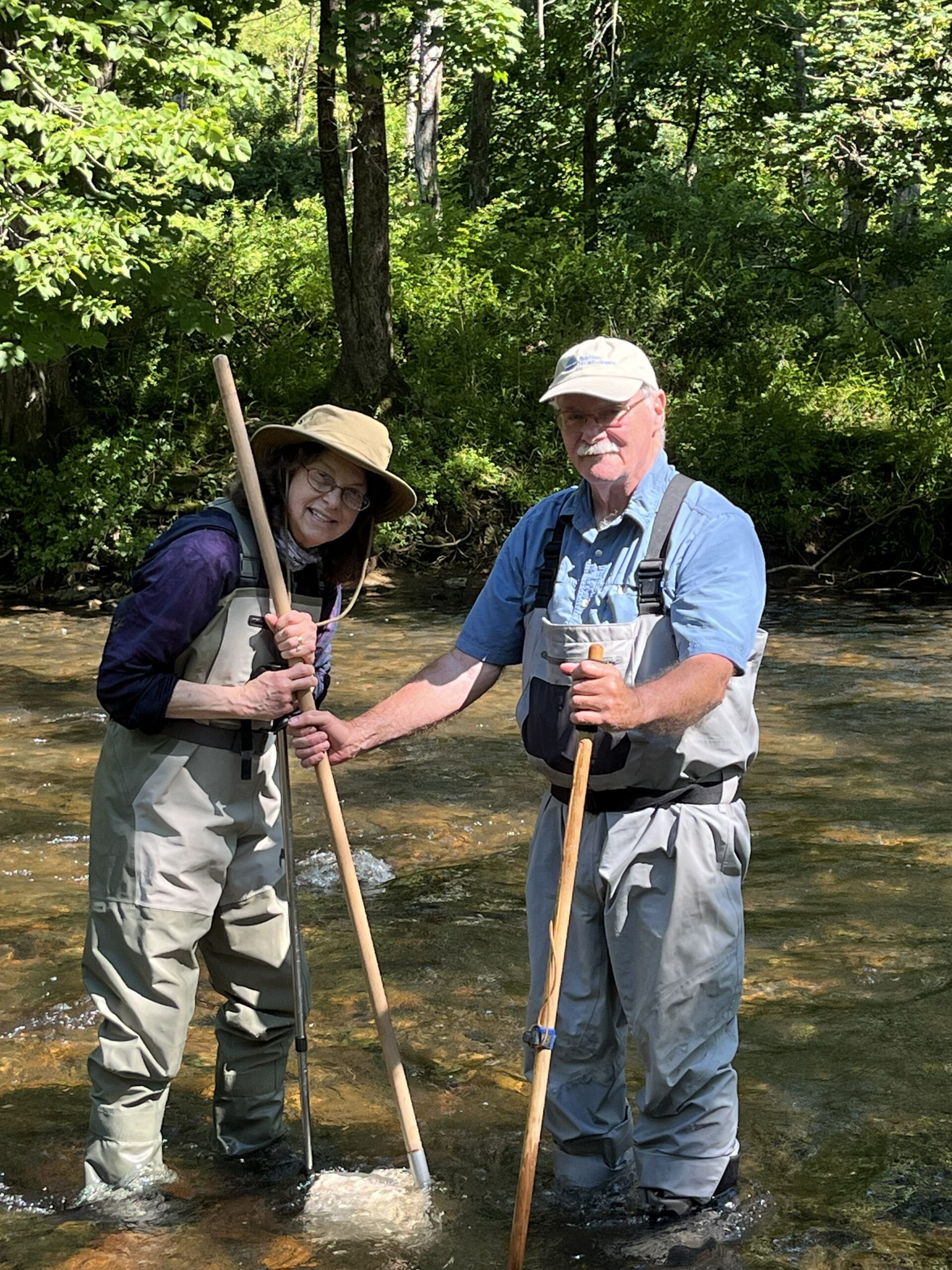
RHA’s long-term monitoring data have been instrumental in supporting key environmental protections. For years, we’ve contributed regulatory-grade data to NJDEP to help NJDEP meet its federal obligations under the Clean Water Act. We’ve even helped defend the use of community-collected data in regulatory contexts through precedent-setting legal action.
And perhaps most significantly, we’ve engaged hundreds of community volunteers and students over the past three decades, who have collectively donated thousands of hours to support our shared mission.
Looking Ahead: Our 35th Year
As we celebrate the 35th year of our Summer Stream Monitoring Program, we honor the foresight and dedication of those who laid the groundwork for this work: staff, community members, funding partners, and governmental agencies alike. We are grateful for every hour spent in the field, every sample collected, and every partner who has stood with us to protect our waterways.
This year, we will monitor more than 70 sites across our watershed. As we reflect on what has come before, we also look ahead. In a time when long-term monitoring programs are increasingly rare and defunded, RHA is proud to maintain this critical dataset. While we continue to adapt our research and monitoring to meet emerging threats and community needs, we are equally committed to upholding the long view: understanding how our ecosystems are changing and how historic management decisions can inform the future.
We invite you to join this journey. Whether as a volunteer, donor, or advocate, your support helps ensure our watershed remains healthy, vibrant, and resilient for generations to come.
Join us to protect the headwaters.